
Video course + PDF guide
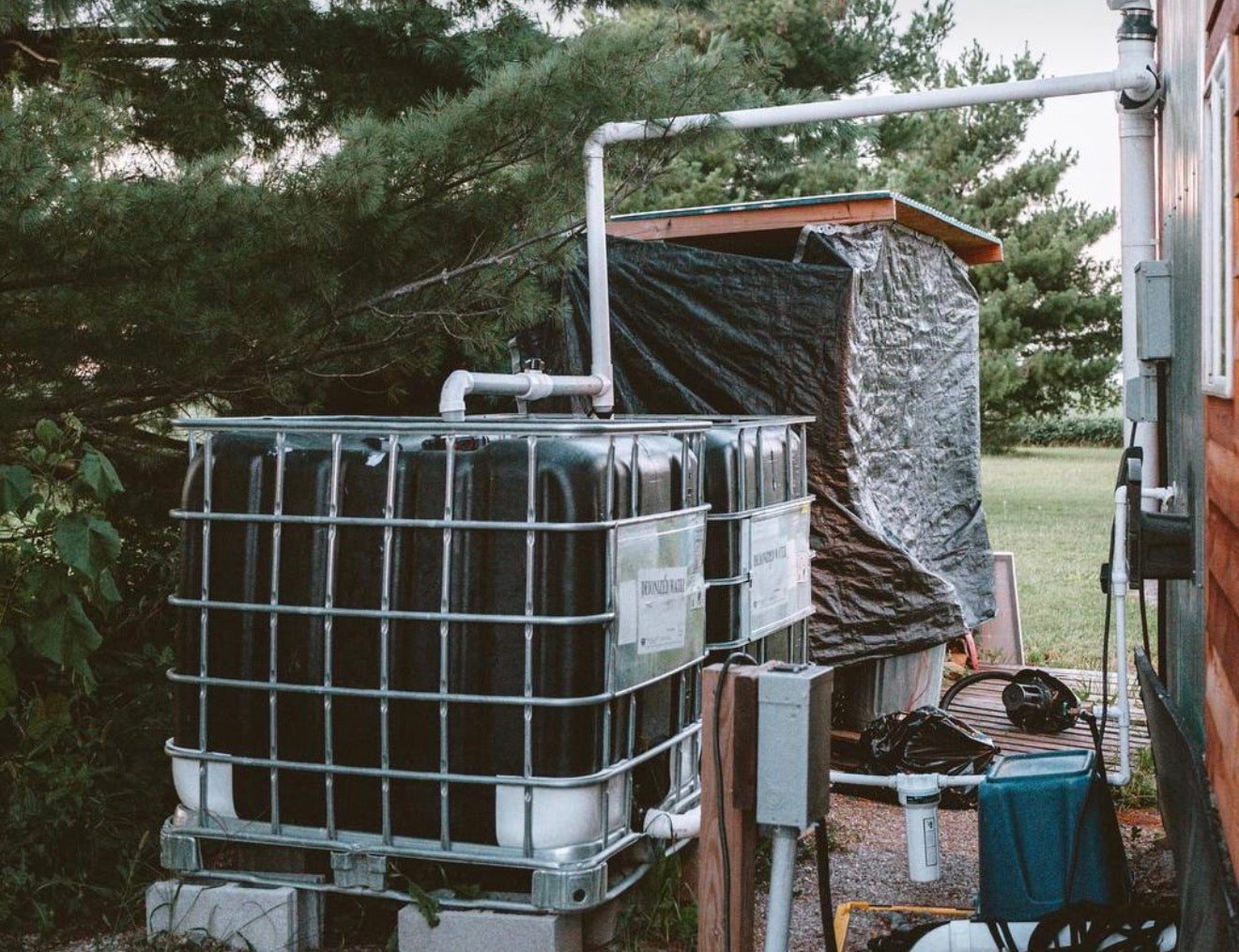
How To Build A Rain Water Collection System
For tiny house, off-grid and homestead owners. The exact system I built and lived off of at my old tiny house, step by step, from bare ground to drinkable water.
- 15 video lessons
- 1h 49m + bonus tour
- PDF guide
- Streams on a members-only page
- Watch anywhere, on any device
- Lifetime access
Is this for you?
Yes, if you want to…
- Catch and store rainwater for a tiny house, cabin or homestead
- Build it yourself, even with no plumbing background
- Filter it for drinking and test it properly
- Keep it running through a cold winter
Free preview · 1:05
Watch the intro.
Every lesson is shot vertically and streams right here, so it fits your phone screen.
The real build
No renders. Just the real build.
What you'll learn
Five modules, in the order I built it.
Tap a module to see its lessons.
01Getting Started2 lessons · 12 min
 2:03
01Welcome & course overview
What you'll build, from the foundation and totes to filtration, winter-proofing, lab testing and maintenance.
 10:00
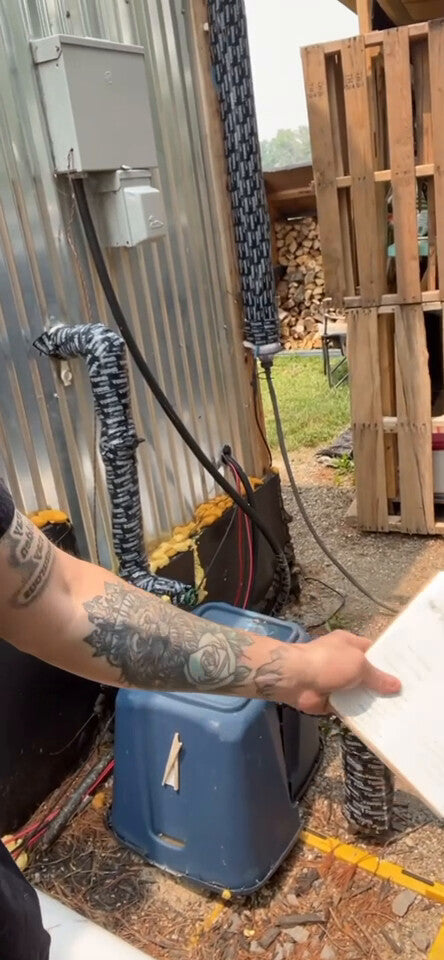
02The complete parts list
Grab a notebook. Food-grade IBC totes ($75 each used, for me), PVC with primer and glue, a first flush, leaf eater, a cast-iron 1/2 HP pump and a 5-stage RO system.
02Foundation & Tanks2 lessons · 8 min
 5:32
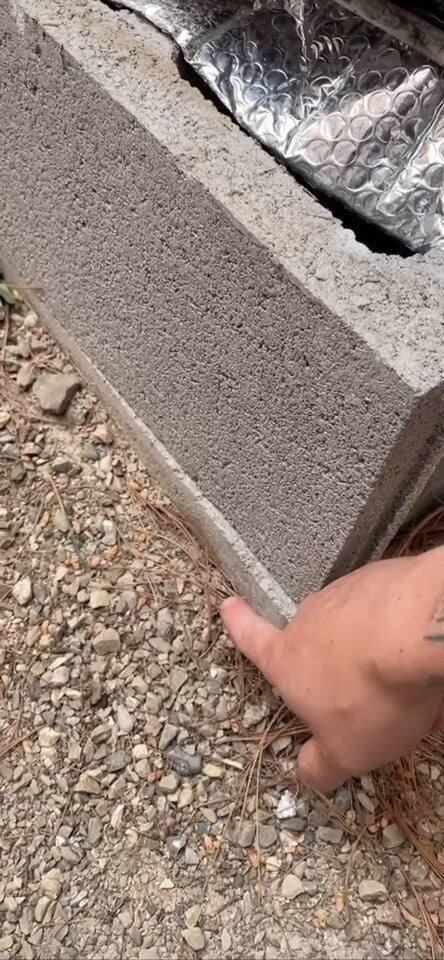
03Laying the foundation
16 blocks (two per corner) on sand and gravel, leveled block to block and tamped, because full totes are heavy.
 3:10
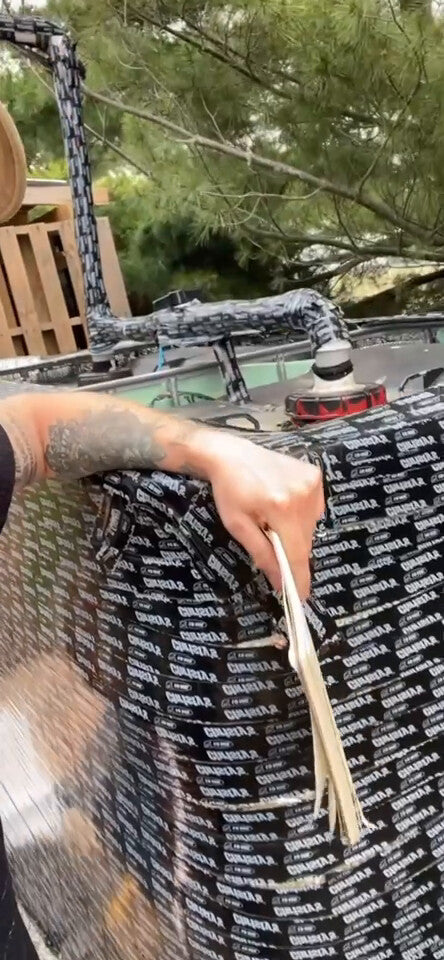
04Painting the totes
Why I rolled about 5 coats of flat black onto the totes, and how to check for the light leaks that grow algae.
03First Flush & Plumbing4 lessons · 30 min
 7:52
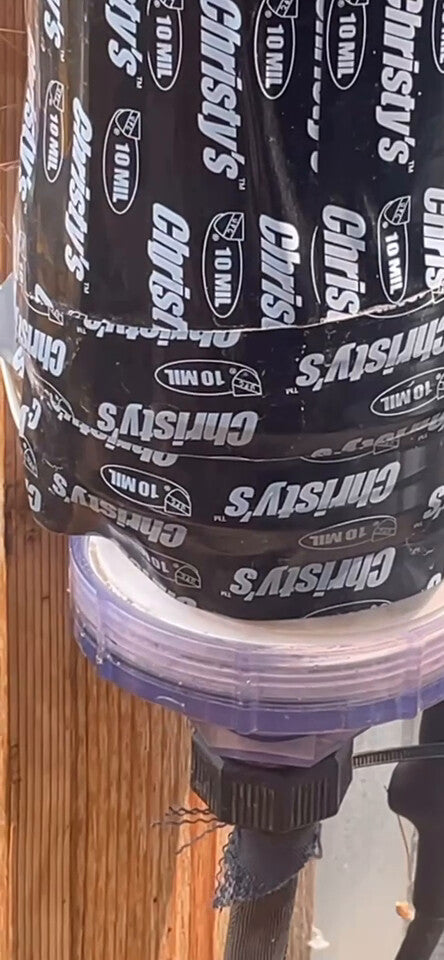
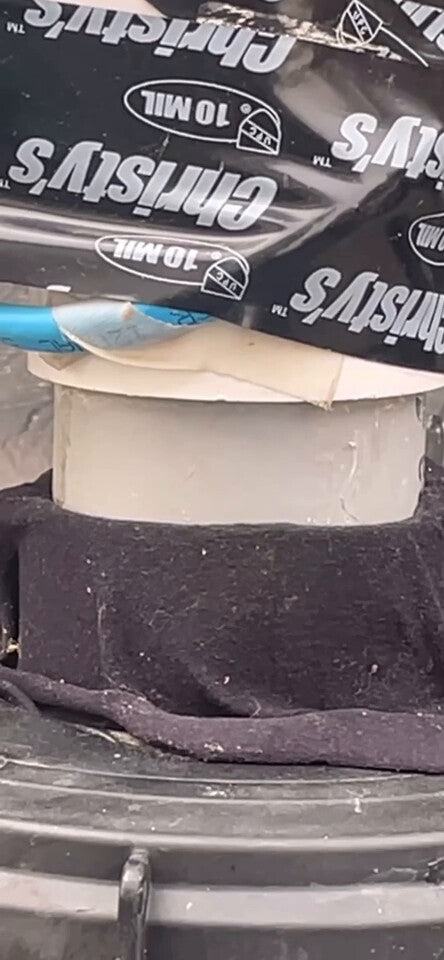
05Sizing your first flush diverter
How the floating-ball first flush works, and how to size it from your roof's square footage. 4" PVC holds roughly a gallon per foot.
 9:31
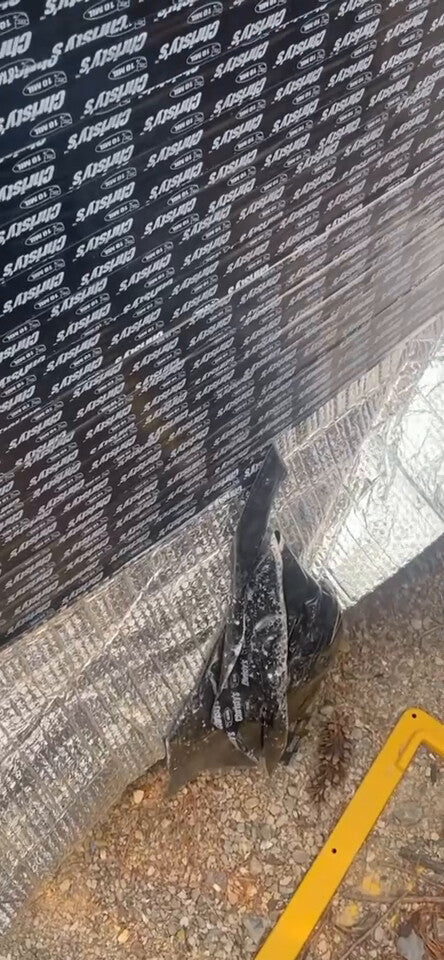
06PVC part 1: roof to tank
Metal roof, gutter guard, downspout, a 3" to 4" leaf eater, and a removable T-fitting so not every joint gets glued.
 9:32
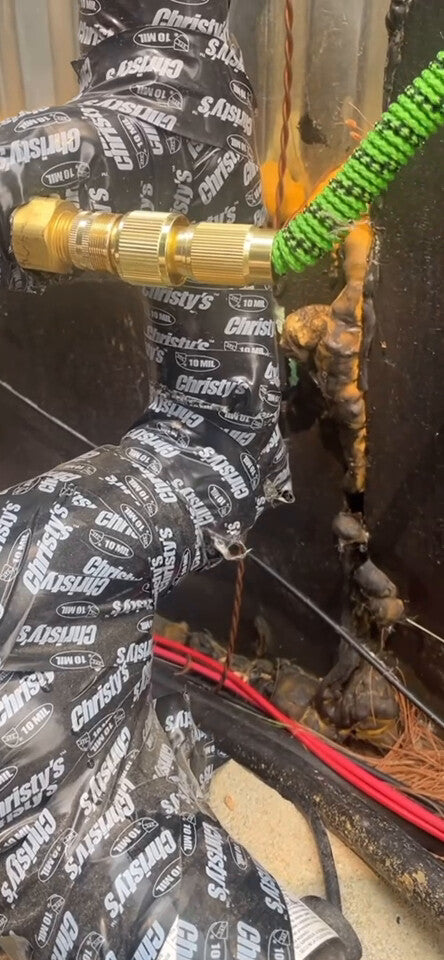
07PVC part 2: inside the tanks & micron filter
Pantyhose pre-filters, the piping inside the totes, 2" fittings and my first micron filter.
 3:43
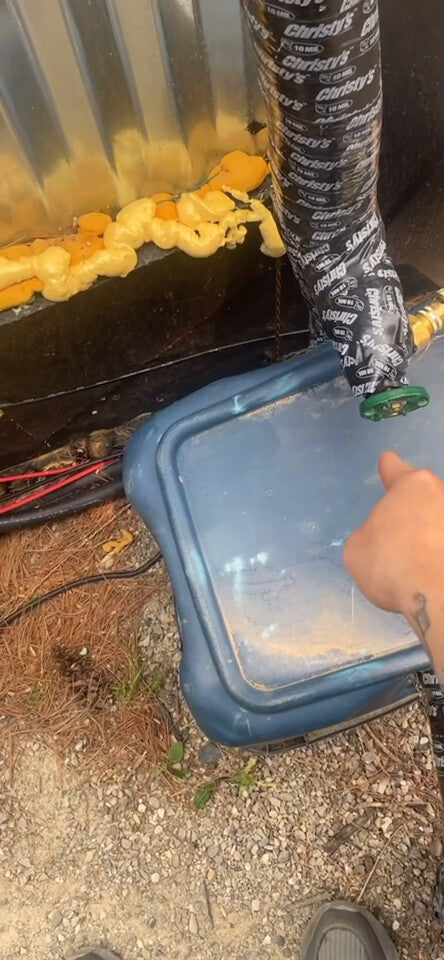
08PVC part 3: pump & shut-off
The micron filter setup, my cast-iron 1/2 HP pump in an insulated bucket, hose spin-offs and the main shut-off.
04Testing & Drinking Water3 lessons · 21 min
 9:52
09Testing the system, part 1
Inside the tiny house: the pump, the tank under my sink, my reverse osmosis system and my homemade final filter.
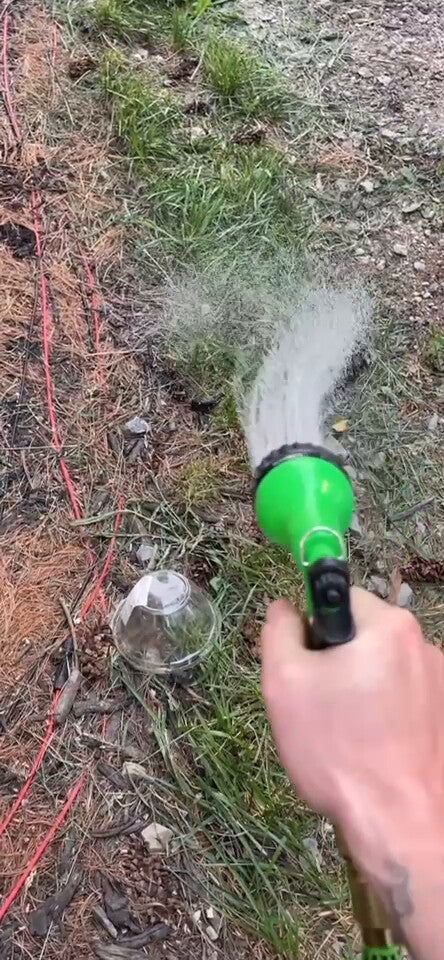 7:05
10Testing the system, part 2: TDS, pH & the hose
TDS readings before and after reverse osmosis (down to 0), a pH test, and the outdoor hose.
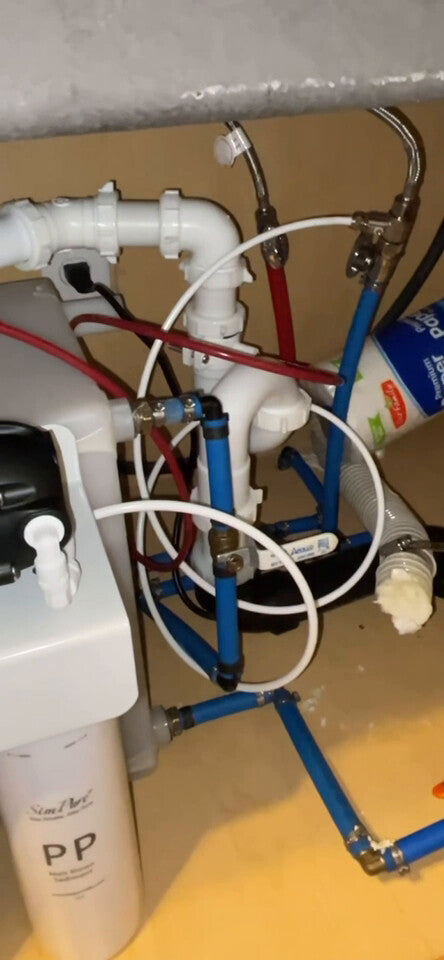 4:53
11Installing the reverse osmosis system
My 5-stage RO (4 filters plus UV): the faucet, the T into my plumbing and the waste line to the drain.
05Winter, Lab Testing & Maintenance3 lessons · 26 min
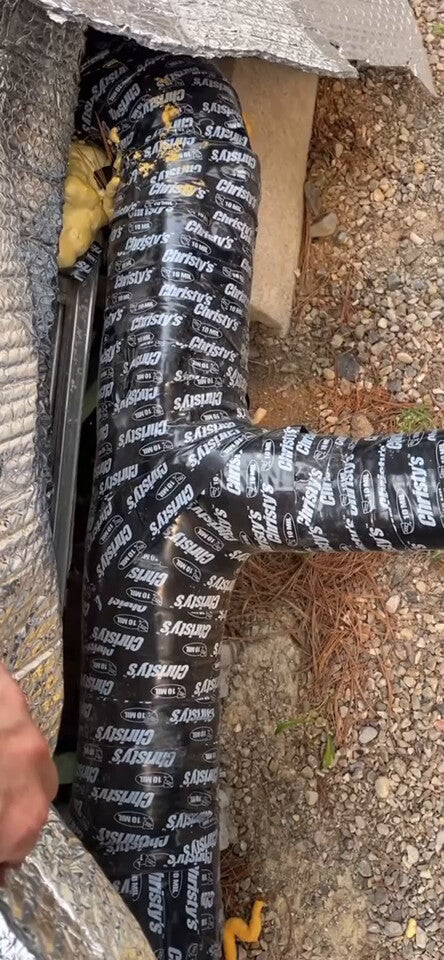 9:57
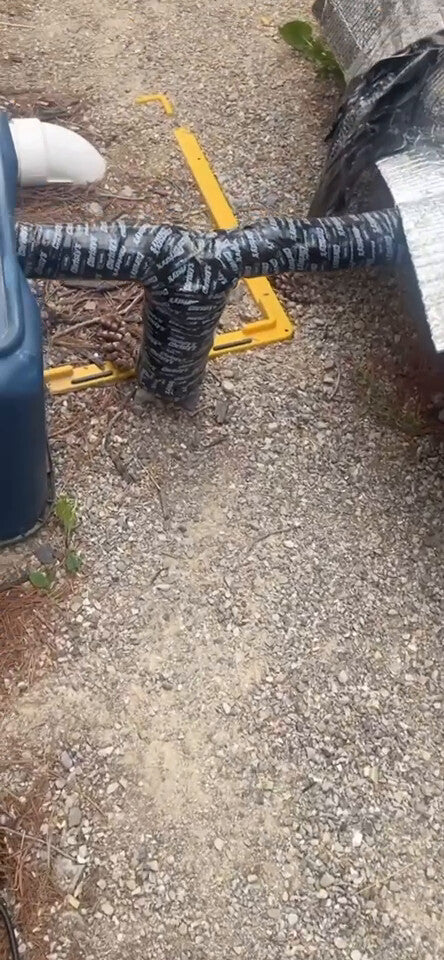
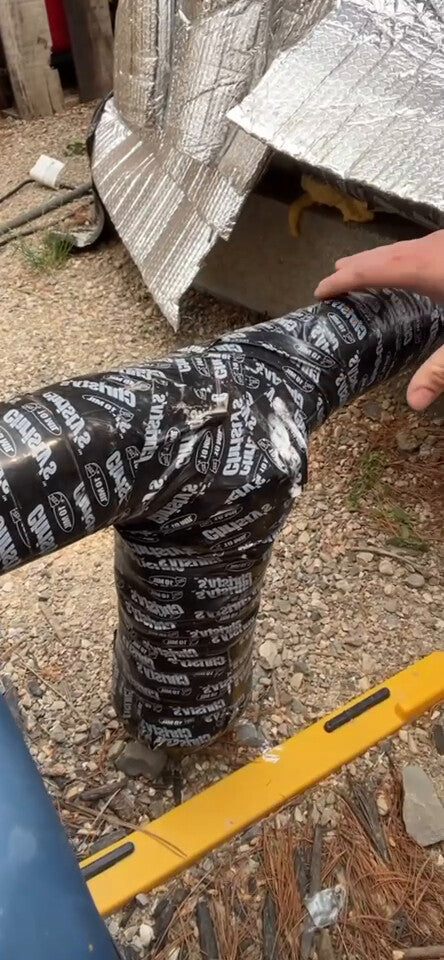
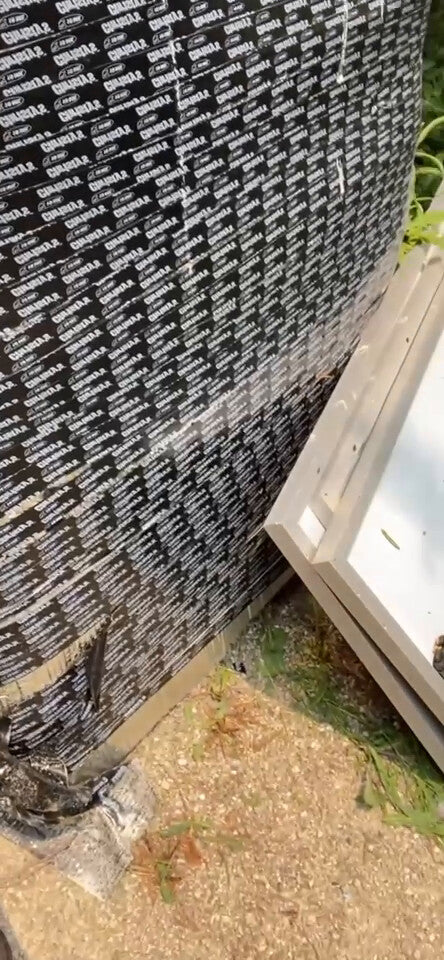
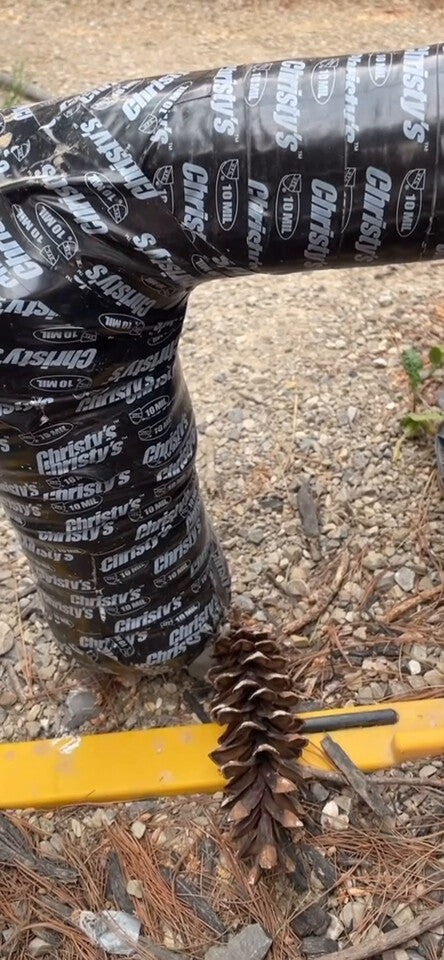
12Winter-proofing
How that system kept working at -10°F with heat tape, pool noodles, foil bubble insulation, foam board and tape.
 9:56
13Lab testing your water
Why I sent my water to a certified lab instead of a basic test, how to collect and ship samples, and reading the report.
 6:28
14Maintenance
RO filters every 6 to 12 months, cleaning the first flush and checking the pre-filters. It's less work than you'd think.
BonusExtras & the big tank2 lessons · 20 min
 9:59
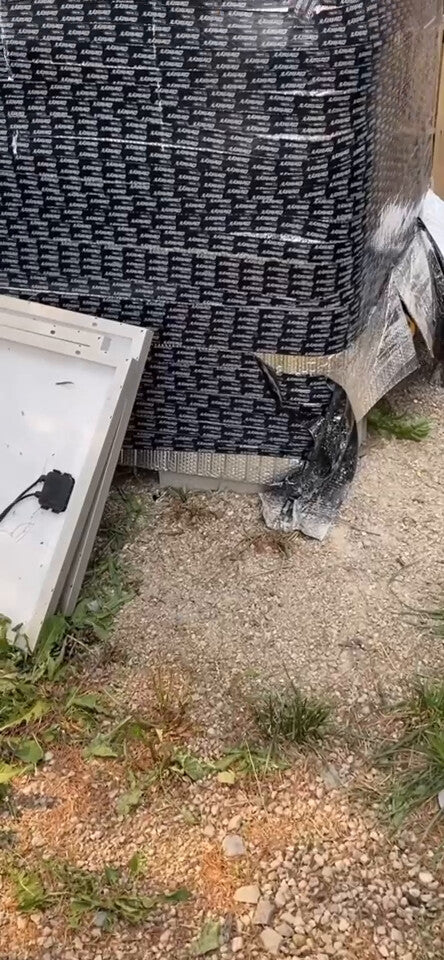
15Extras & final tips
Your measurements will differ from mine, what 2 totes covered for me, spray foam for winter, and how to reach me.
 10:23
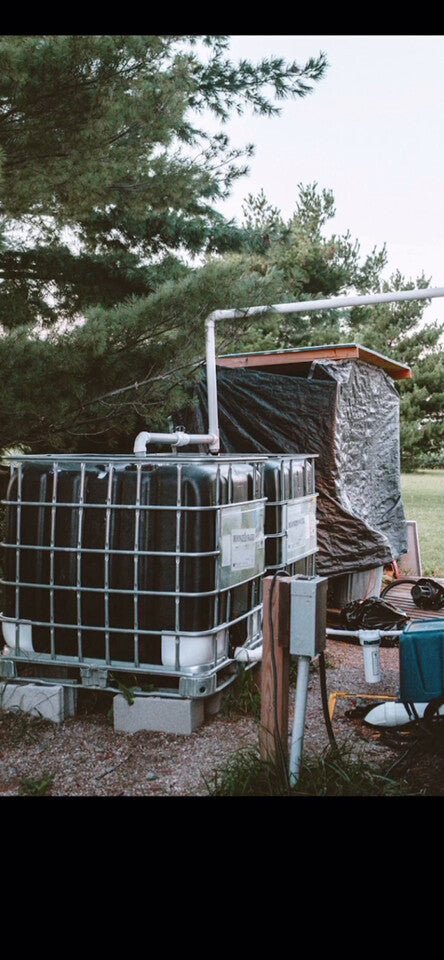
16Tour: the 1,000-gallon tank (2 parts)
The half-buried 1,000-gallon tank, the first-year flood that contaminated it, and burying the lines below the frost line.
How it works
Three steps, then you're watching.
- 1
Join the list
Add your email above. I'll email you the moment the course opens.
- 2
Get first access
Buy once at the launch price, then sign in with your checkout email.
- 3
Watch anywhere
Stream every lesson on your phone, tablet or computer, and open the PDF guide in your browser.
What's included
- 15 streaming video lessons, 1h 49m
- Bonus: 1,000-gallon tank tour
- PDF guide: parts list, every step, checklists
- Lifetime access
Who's teaching
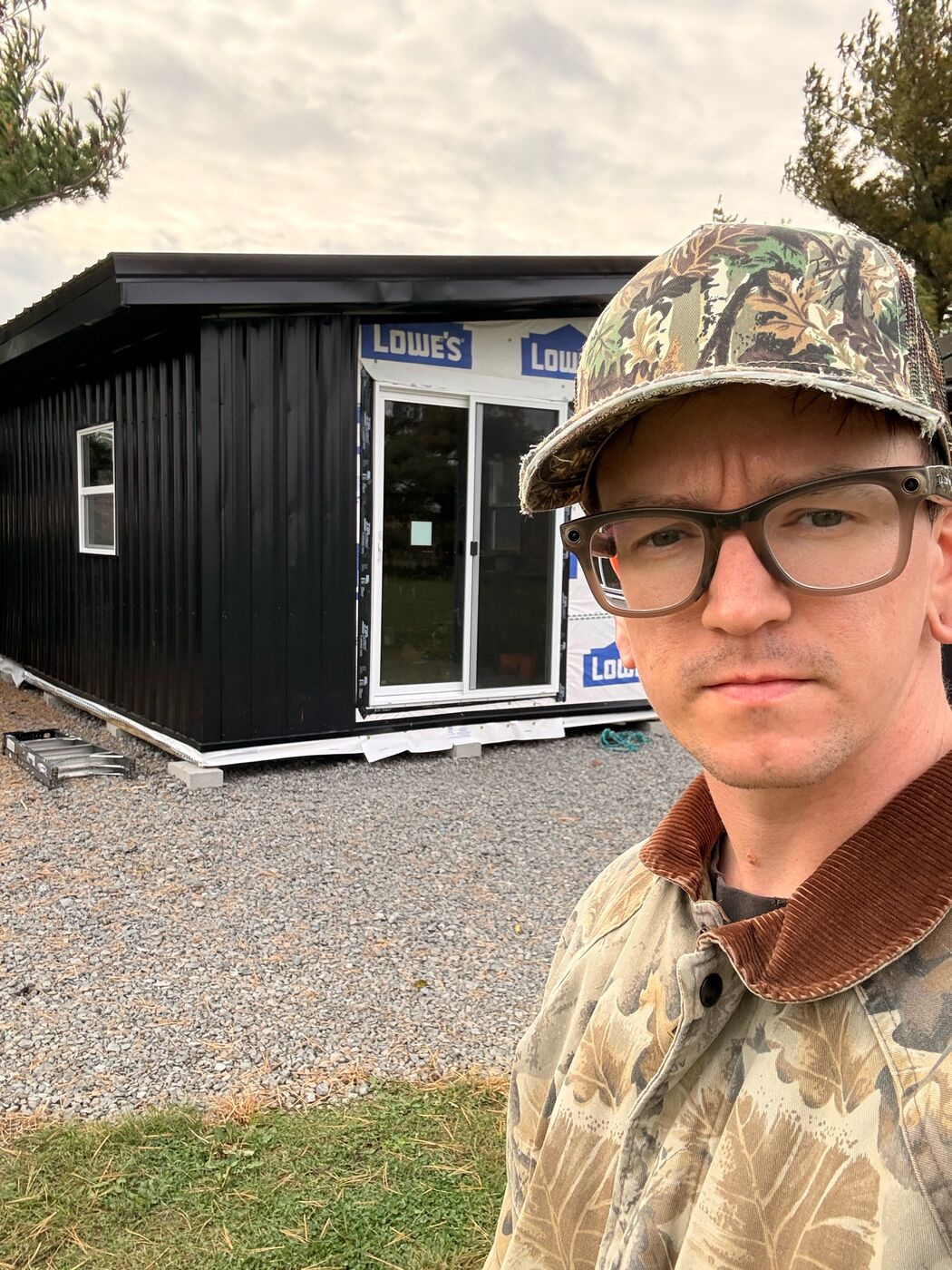
Hi, I'm Jack.
I've been living tiny and off-grid for 7 years. At my old tiny house, I built a rainwater system and lived off of it: two 275-gallon totes covered my showers, laundry and a 30-foot garden. That house was destroyed, so this course is the full build I filmed there, start to finish. I'm starting over on a new build now and bringing everything I learned.
FAQ
Questions, answered.
When does it open?
Soon. Join the list and I'll email you the moment it opens.
What will I get?
15 step-by-step video lessons (1:49:33), a bonus 1,000-gallon tank tour in two parts (10:23) and a companion PDF guide. You'll stream it all on a members-only page here on startlivingtiny.com.
How will I log in and watch?
When it opens, you'll use the email you want for the course at checkout. Then you'll sign in on the course page with that email. Shopify sends you a one-time code, so there's no password to remember.
Can I watch on my phone?
Yes. Every lesson is shot vertically, so it fills your phone screen. It will work on any phone, tablet or computer with a browser.
How long will I have access?
For life. You'll be able to sign in any time and pick up where you left off. The lessons stream on your members page instead of downloading, and you can rewatch them as often as you like.
Do I need building experience?
No. I show every step slowly and in detail, including my mistakes.
Can I drink the water?
At my old tiny house I drank it after reverse osmosis, a final filter and lab testing, and I show how I did each one. That isn't a guarantee for your water: always test your own water and check your local rules.
Is rainwater collection legal where I live?
In most places it is, but the rules vary by state and county. Check before you build.
Be first in line.
15 lessons, the bonus tour and the PDF guide. Get first access + launch price when it opens.
